
What Type of Doctor Treats Mesothelioma?
Mesothelioma is a rare and complex cancer that requires specialized medical treatment from experienced professionals. Unlike many other cancers, mesothelioma can develop in several areas of the body, including the lungs, abdomen, heart, and testicles. Each location brings its own challenges and needs a carefully tailored treatment plan.
If you’re diagnosed with mesothelioma, your care team will likely include several types of doctors who each play a specific role in your care. By working together, these specialists can give you the best chance at managing the disease and improving your well-being.
Your multidisciplinary team of mesothelioma specialists may include:
- General surgeons: Perform diagnostic procedures and certain surgeries
- Medical oncologists: Use chemotherapy, immunotherapy, and other medications to treat cancer
- Nutritionists: Help you maintain strength and manage side effects through a balanced mesothelioma diet
- Palliative care specialists: Focus on easing symptoms and improving your comfort
- Pulmonologists: Treat lung-related issues caused by pleural mesothelioma
- Radiation oncologists: Use targeted radiation to shrink tumors and ease pain
- Surgical oncologists: Perform tumor-removal surgeries for cancers like peritoneal mesothelioma
- Thoracic surgeons: Specialize in chest surgeries, including pleurectomy with decortication (P/D) and extrapleural pneumonectomy (EPP)
Mesothelioma doctors can help you manage symptoms to improve your quality of life, increase your chances of long-term survival, and offer new treatments that general doctors might not know about.
It’s important to find a specialist who will support you with care, compassion, and the best treatment options for your situation.
- Experience treating mesothelioma cancer
- Knowledge of the latest treatments
- Access to emerging therapies
- Affiliation with top cancer centers

Top Pleural Mesothelioma Doctors
Pleural mesothelioma forms in the lining of the lungs (pleura). Thoracic oncologists and surgeons treat this type of mesothelioma with a range of therapies, including surgery (P/D or EPP), chemotherapy, radiation, and immunotherapy.
Some pleural mesothelioma doctors include:

Dr. Raphael Bueno
Thoracic surgeon- Boston, MA
- Thoracic Surgeon
- Brigham and Women’s Hospital

Dr. Robert Cameron
Thoracic surgeon- Los Angeles, CA
- Thoracic Surgeon
- West Los Angeles VA Medical Center

Dr. Raja Flores
Thoracic surgeon- New York, NY
- Thoracic Surgeon
- Mount Sinai Hospital
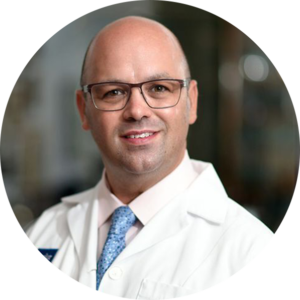
Dr. Taylor Ripley
Thoracic surgeon- Houston, TX
- Thoracic Surgeon
- Baylor Lung Institute

Dr. Anne Tsao
Medical Oncologist- Houston, TX
- Medical Oncologist
- MD Anderson Cancer Center

Dr. Andrea Wolf
Thoracic surgeon- New York, NY
- Thoracic Surgeon
- Mount Sinai Hospital
Top Peritoneal Mesothelioma Doctors
Peritoneal mesothelioma affects the lining of the abdominal cavity (peritoneum). Peritoneal mesothelioma patients can work with medical and surgical oncologists to access treatments like cytoreductive surgery, heated chemotherapy (HIPEC), and systemic chemotherapy.
Some peritoneal mesothelioma doctors include:
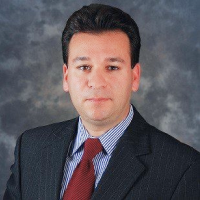
Dr. Richard Berri
Surgical Oncologist- Detroit, MI
- Surgical Oncologist
- Henry Ford Van Elslander Cancer Center

Dr. Hedy Lee Kindler
Medical Oncologist- Chicago, IL
- Medical Oncologist
- University of Chicago Medicine
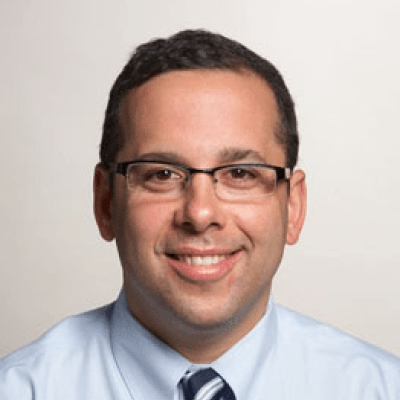
Dr. Daniel M. Labow
Surgical Oncologist- Danbury, CT
- Surgical Oncologist
- Nuvance Health Praxair Cancer Center
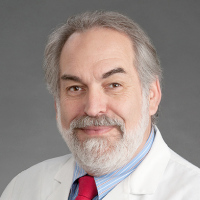
Dr. Edward Levine
Surgical Oncologist- Winston-Salem, NC
- Surgical Oncologist
- Wake Forest Baptist Medical Center

Dr. Mecker Möller
Surgical Oncologist- Chicago, IL
- Surgical Oncologist
- University of Chicago Medicine

Dr. James Pingpank
Surgical Oncologist- Pittsburgh, PA
- Surgical Oncologist
- UPMC Hillman Cancer Center
Whether you’re looking for treatment or need a second opinion on your diagnosis, we can help you find the best mesothelioma doctor for your situation. Use our Free Doctor Match to get started.

See All Mesothelioma Specialists
Read about other mesothelioma doctors located across the country:- Dr. Joel Baumgartner
- Dr. Richard N. Berri
- Dr. Shanel Bhagwandin
- Dr. Adam J. Bograd
- Dr. Raphael Bueno
- Dr. Bryan Burt
- Dr. Robert Cameron
- Dr. Jeffrey Clarke
- Dr. Lorraine Cornwell
- Dr. Traves Crabtree
- Dr. Marcelo DaSilva
- Dr. Raja Flores
- Dr. Jacques Fontaine
- Dr. Joseph Friedberg
- Dr. Linda Garland
- Dr. Martin Goodman
- Dr. David Harpole Jr.
- Dr. Raffit Hassan
- Dr. Ryan Holbrook
- Dr. Kamran Idrees
- Dr. Hedy Lee Kindler
- Dr. Daniel M. Labow
- Dr. Eric S. Lambright
- Dr. Corey J. Langer
- Dr. Edward Levine
- Dr. Deepa Magge
- Dr. Dao Nguyen
- Dr. James Pingpank
- Dr. David Rice
- Dr. Taylor Ripley
- Dr. Lary Robinson
- Dr. Paul H. Schipper
- Dr. Matthew Steliga
- Dr. James Stevenson
- Dr. Anne Tsao
- Dr. Eric Vallieres
- Dr. Jeffrey Velotta
- Dr. Wickii Vigneswaran
- Dr. Nestor Ricardo Villamizar
- Dr. Daniel Wiener
- Dr. Dennis Wigle
- Dr. Andrea Wolf
- Dr. Marjorie Zauderer
6 Factors to Consider When Choosing a Mesothelioma Specialist
You should feel confident in your physician-patient relationship. If something doesn’t feel right, trust your instincts and look for another doctor who listens to your concerns and respects your personal wishes and goals for mesothelioma treatment.
Below are 6 key factors to consider when meeting with mesothelioma doctors.
1. Experience Treating Mesothelioma
When it comes to mesothelioma, experience matters. Choosing a doctor who regularly sees mesothelioma patients increases your chances of getting an accurate diagnosis, the most up-to-date treatment options, and better overall survival outcomes.
Experienced mesothelioma doctors will have:
- Treated many patients with mesothelioma in the past
- Worked at high-volume cancer centers
- Participation in and knowledge of clinical trials
- Years, if not decades, of practice treating this cancer
Reviewing their credentials, publications, and patient testimonials can also help you assess their expertise.
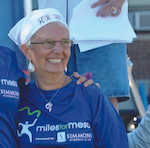
“If your doctor is not a professional and has not lived it and breathed it, get another oncologist. You need someone experienced — someone who’s going to fight for you and with you.”
2. Availability and Responsiveness
You’ll likely have questions about mesothelioma symptoms, treatments, and side effects, and you deserve timely answers.
Because mesothelioma can progress quickly, it’s important to have a doctor who is accessible and responsive.
If flexibility is important to you, ask the doctor if they offer online messaging or phone consultations if something comes up before your next in-person appointment.
3. Treatment Specialties
Mesothelioma specialists offer a wide range of treatment options based on their medical training, experience, and the type of mesothelioma being treated.
Not all mesothelioma doctors offer the same treatments, so it’s important to understand each specialist’s focus and how it aligns with your needs.
Common mesothelioma treatment specialties include:
- Chemotherapy to kill cancer cells and prevent tumors from growing
- Immunotherapy to help the immune system identify and attack cancer cells
- Palliative care to manage pain and improve quality of life
- Radiation therapy to target tumors in a particular area of the body
- Surgery to remove tumors and relieve painful symptoms
Each mesothelioma treatment has its own benefits, risks, and recovery timeline. Combining two or more of these treatments, an approach called multimodal therapy, can potentially improve your length and quality of life.
We’re here to make things easier. Use our Free Doctor Match to find a mesothelioma specialist near you. Our team can also help with scheduling appointments, exploring treatment options, and paying for your care.
4. Location and Travel Costs
Getting mesothelioma treatment in your state can make the process simpler and more affordable. Staying closer to home means less travel, which can help keep your out-of-pocket expenses lower and reduce stress on your family.
However, if the best treatment option is at a specialized mesothelioma center that isn’t near you, don’t let travel be a barrier.
Many patients qualify for grants, legal compensation, and VA disability benefits that can help cover travel-related expenses.
5. Access to Clinical Trials
Mesothelioma experts involved in clinical trials are often at the forefront of cancer research. They have the latest knowledge about emerging treatments and can provide access to new medications or procedures that general oncologists may not offer.
By seeing mesothelioma doctors who participate in cancer research, you may be able to access new treatments that could potentially extend your life expectancy.
6. Bedside Manner
A specialist with a compassionate bedside manner can help reduce any feelings of anxiety and make you feel more confident in your treatment plan.
Your mesothelioma doctor should support and empower you, not talk down to you or make you feel afraid to ask questions about your health.
When you feel respected and understood by your doctor, you can focus on healing and being present with your family and loved ones.

”I needed a doctor who understood empathy and delivered medical information with compassion.”
How to Prepare for Your First Specialist Visit
Preparing for your first appointment with a mesothelioma doctor can ease anxiety and ensure you get the most out of the visit. Depending on the type of specialist you’re seeing, you may undergo certain tests, procedures, or exams.
Different specialists may also ask specific questions about your health history. Bringing copies of your medical documents and having a clear idea of what you want to discuss can help you make the most of your time with the doctor.
Here’s how to prepare for your appointment with a mesothelioma doctor:
- Gather your medical records. Bring copies of any bloodwork, test results, biopsy reports, imaging scans, and other medical records, including details about past asbestos exposure. This will help the specialist understand your unique situation and factor all of those things into your treatment plan.
- Bring a list of current medications. This includes anything you’ve been prescribed as well as any over-the-counter medications or supplements you’re taking. Certain drugs can impact the effectiveness of treatment or lead to side effects.
- Ask someone to come with you. Bringing a friend, family member, or caregiver can help reduce stress and ensure you get the support and answers you need. Appointments can be overwhelming, so having someone by your side to ask questions and take notes can help you focus on what the doctor is saying.
- Write down questions ahead of time. Specialist appointments can move fast, and there’s often a lot of medical lingo and information coming at you quickly. Knowing what you want to ask ahead of time can help you get the answers you need about things like treatments, side effects, recovery time, quality of life, and more.
Whether you’re meeting with a specialist for an initial diagnosis, a second opinion, or to establish a treatment plan, it’s important to go in prepared. Remember, you are your own best advocate for your health.
Questions to Ask a Mesothelioma Doctor
Part of preparing for any medical visit is identifying what you want to get out of it and writing out questions that can help you get the information you need.
Important questions to ask include:
- What is the cell type of my mesothelioma?
- What is my prognosis (with and without treatment)?
- Am I a surgical candidate? If not, why?
- What treatments do you recommend for me specifically?
- How will we know if the treatment is working?
- What is your pain management protocol?
Get more key questions to ask in our Free Checklist of Questions to Ask Your Doctor. You can also print this sheet out and take notes directly on it to stay organized.

Get Connected With Top Mesothelioma Doctors
A malignant mesothelioma diagnosis can be overwhelming, but it’s important to stay hopeful. You have options, and a wide range of support services is available to assist patients and their families.
The first step in fighting this cancer is to find a trusted mesothelioma doctor with the experience and resources to improve your health and quality of life.
Our team can help you:
- Find mesothelioma doctors in your area
- Schedule an appointment with a specialist
- Prepare a list of questions to ask your doctor
- Pursue financial compensation for treatment
We’re here to make the process easier. Reach out to us at (866) 608-8933 or use our Free Doctor Match to get started.
Mesothelioma Hope has no affiliation with and is not endorsed or sponsored by any of the doctors listed above. The contact information above is listed for informational purposes only. You have the right to contact these mesothelioma specialists directly.
Mesothelioma Doctor FAQs
Who is the best mesothelioma doctor in the world?
There isn’t a single “best” mesothelioma doctor. Experience is important, but the right doctor also depends on your diagnosis, location, treatment goals, and personal preferences.
Some internationally recognized mesothelioma doctors include:
- Dr. Raphael Bueno – Chief of Thoracic Surgery and Director of the International Mesothelioma Program at Brigham and Women’s Hospital in Boston
- Dr. Robert Cameron – A pioneer of lung-sparing surgery and director of the Comprehensive Mesothelioma Program at UCLA and the VA Greater Los Angeles Healthcare System
- Dr. Raja Flores – Chairman of the Department of Thoracic Surgery at Mount Sinai in New York
- Dr. Hedy Lee Kindler – Director of the Multidisciplinary Mesothelioma Program at the University of Chicago and a leading expert in both mesothelioma care and clinical research
Each of these mesothelioma specialists has decades of experience treating this aggressive cancer and overseeing clinical trials for emerging therapies.
Who diagnoses mesothelioma?
The only definitive way to confirm a mesothelioma diagnosis is through a biopsy, which is reviewed by a pathologist.
However, other steps and professionals are typically involved throughout the process, including those specializing in radiation oncology, medical oncology, hematology, surgical oncology, and thoracic oncology.
Other specialists for a mesothelioma diagnosis may include:
- Oncologists: Evaluate the patient’s overall health, analyze test results, provide a stage for the cancer, and recommend next steps.
- Radiologists: Perform and review imaging tests like X-rays, PET scans, MRIs, and CT scans to locate tumors within the body.
- Mesothelioma surgeons: Perform biopsies of tissue or fluid to help confirm the diagnosis.
It’s important to work with a specialized mesothelioma doctor to get an accurate diagnosis — including the right cell type, stage, and other factors that will inform your treatment plan. Get help finding a specialist near you with our Free Doctor Match.
Should I get a second opinion from a mesothelioma doctor?
Yes, you should get a second opinion from a mesothelioma doctor, even if you’ve already confirmed your diagnosis.
Different mesothelioma doctors offer different approaches based on their training, experience, or access to newer therapies.
For example, one doctor may recommend surgery, while another may suggest starting with immunotherapy or enrolling in a clinical trial. A second opinion helps you fully understand your options.
Should I see a mesothelioma specialist vs. oncologist?
You’ll likely see multiple types of doctors over the course of your mesothelioma diagnosis and treatment, including oncologists, surgeons, palliative care providers, radiologists, and more. However, it’s very important to see a specialist rather than a general oncologist.
Mesothelioma is a rare cancer, and it requires highly specialized treatments from experienced doctors. Many general oncologists have never seen a patient with mesothelioma. Fortunately, there are many skilled specialists across the country.
How can I find a mesothelioma specialist near me?
Finding a qualified mesothelioma specialist near you can feel overwhelming, but a Patient Advocate can help.
At Mesothelioma Hope, we make it easy to get started. Our Patient Advocates can help you find local mesothelioma doctors, show you how to pursue financial compensation, and connect you to the best care available. Contact us today to get started.



 How We Can Help