
What Is Biphasic Malignant Mesothelioma?
Biphasic mesothelioma is a rare type of mesothelioma that forms in the lining of the lungs or abdomen. It’s called “biphasic” since the tumor contains two distinct types of cancer cells: epithelioid and sarcomatoid. Doctors also refer to this cell type as mixed mesothelioma.
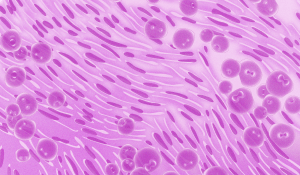
Biphasic mesothelioma tumors contain a mix of two cell types:
- Epithelioid cells – These cells are more rounded or box-shaped. They tend to stick together and usually spread more slowly.
- Sarcomatoid cells – These cells are long, thin, and shaped like a spindle. They typically grow and spread more aggressively.
To be diagnosed as malignant biphasic mesothelioma, each cell type must make up at least 10% of the tumor.
According to the American Cancer Society (ACS), biphasic malignant mesothelioma is the second most common mesothelioma cell type, making up 20-30% of the 3,000 new cases diagnosed each year.
Epithelioid is the most common cell type and is also the easiest to treat. Because of that, biphasic mesothelioma patients tend to have a better prognosis (health outlook) if their cancer tumors contain more epithelioid cells than sarcomatoid cells.
What Causes Biphasic Mesothelioma?
The only known cause of biphasic malignant mesothelioma is asbestos exposure. When asbestos materials are damaged or disturbed, they release tiny fibers into the air. These fibers can be breathed in or swallowed without someone realizing it.
Once inside the body, asbestos fibers can become stuck in the lining of the lungs or abdomen, irritating and damaging nearby cells. Over the course of 10 to 50 years, this damage can eventually lead to mesothelioma cancer, including biphasic mesothelioma.
If you or a loved one has been diagnosed with biphasic mesothelioma, a specialist can help you understand your diagnosis and treatment options. Use our Free Doctor Match service to connect with a biphasic mesothelioma specialist in your area.

Biphasic Mesothelioma Symptoms
The signs and symptoms of biphasic malignant mesothelioma vary depending on where the cancer develops in the body.
Mesothelioma most commonly forms in the lining around the lungs (pleura) or the lining of the abdomen (peritoneum). Because these areas affect different organs, the symptoms patients experience can also vary.
Early symptoms of mesothelioma may be mild or easy to mistake for common health problems, such as respiratory infections or digestive issues. As the cancer grows, symptoms can become more noticeable.
Symptoms of Biphasic Pleural Mesothelioma
Biphasic pleural mesothelioma develops in the thin protective lining that surrounds the lungs, called the pleura. As tumors grow, they can irritate the lung lining, cause fluid buildup, and put pressure on the lungs.
Common biphasic pleural mesothelioma symptoms include:
- Chest pain
- Fatigue
- Fluid buildup in the chest (pleural effusion)
- Shortness of breath
- Worsening cough
These symptoms may develop gradually and can become more severe over time. If you experience ongoing breathing problems, chest discomfort, or unexplained fatigue, it’s important to speak with a doctor as soon as possible.
Symptoms of Biphasic Peritoneal Mesothelioma
Biphasic peritoneal mesothelioma begins in the lining that covers the abdominal organs, known as the peritoneum. Tumors in this area can lead to swelling, digestive problems, and fluid buildup.
Common biphasic peritoneal mesothelioma symptoms include:
- Abdominal pain
- Constipation or diarrhea
- Fluid buildup in the abdomen (peritoneal effusion)
- Night sweats
- Unexplained weight loss
These symptoms can be mistaken for stomach upset or other abdominal problems. If swelling, pain, or unexplained weight loss gets worse, a doctor can help determine the cause.
How Is Biphasic Mesothelioma Diagnosed?
Diagnosing biphasic mesothelioma requires more than identifying a tumor. Doctors have to confirm the cancer contains both epithelioid and sarcomatoid cells, which distinguishes biphasic mesothelioma from other types.
Doctors use several steps to diagnose biphasic mesothelioma:
- Medical history and physical exam to review symptoms and possible asbestos exposure
- Imaging tests like CT scans or X-rays to look for tumors or fluid buildup
- Biopsy to remove a small tissue sample from the tumor
- Lab analysis to determine if the cells are cancerous
- Cell type testing to confirm the tumor has epithelioid and sarcomatoid cells
Specialists may also use immunohistochemistry (IHC) staining, a lab technique that highlights specific proteins in the biopsy sample. This helps doctors tell mesothelioma apart from other cancers that can appear similar under a microscope.
Once a biphasic mesothelioma diagnosis is confirmed, doctors can determine the stage of the cancer and recommend treatment options.
Get your Free Mesothelioma Guide shipped overnight to learn about treatment options, top specialists, and support resources that can make your family’s journey easier.

Biphasic Mesothelioma Prognosis & Life Expectancy
The prognosis for biphasic mesothelioma largely depends on the ratio of epithelioid to sarcomatoid cells in the tumor.
Tumors with more epithelioid cells usually have a better mesothelioma prognosis because they respond more effectively to treatment, while a higher percentage of sarcomatoid cells can make the cancer more aggressive.
Doctors usually describe prognosis using two measures: life expectancy, which is the average time someone lives after diagnosis, and survival rate, which shows the proportion of patients still alive after a certain number of years.
- The average life expectancy for biphasic mesothelioma patients is 10 months, according to a report published in F1000 Research. However, patients have lived longer with the right care plan.
- The 1-year biphasic survival rate is 43%, based on data from the Journal of Thoracic and Cardiovascular Surgery. This means 43% of patients are still alive a year after their diagnosis.
These numbers are averages and can’t predict exactly how long someone will live. Prognosis can vary based on factors like a patient’s cancer stage and overall health. Some survivors have lived much longer, especially when treated by doctors who specialize in mesothelioma.

“Facing biphasic mesothelioma can be a challenging journey, but it’s essential to approach it with hope and a proactive mindset. While every patient’s situation is unique, advancements in treatment options and personalized care plans are continually improving outcomes.”
Call (866) 608-8933 now to connect with our team of registered nurses and get help navigating a biphasic mesothelioma diagnosis.
Biphasic Mesothelioma Treatment Options
Doctors treat biphasic malignant mesothelioma using a combination of therapies such as immunotherapy, chemotherapy, surgery, and radiation. The best treatment plan is based on personalized factors like the stage of the cancer, the ratio of cells, and the patient’s overall health.
Chemotherapy
Chemotherapy has long been a common treatment for mesothelioma, including the biphasic cell type. The most frequently used chemotherapy combination is pemetrexed (Alimta®) and a platinum-based drug such as cisplatin or carboplatin.
These chemo drugs work together to:
- Shrink tumors
- Slow the growth of cancer cells
- Help relieve symptoms caused by mesothelioma
In some cases, mesothelioma doctors may combine chemotherapy with immunotherapy. For example, pembrolizumab (Keytruda®) may be used alongside chemotherapy for patients with advanced pleural mesothelioma.
Immunotherapy
Immunotherapy is becoming one of the key treatments for biphasic mesothelioma. Instead of directly targeting the tumor like chemotherapy does, immunotherapy works by helping the body’s immune system recognize and attack cancer cells.
The most common immunotherapy combination for patients with biphasic mesothelioma is Opdivo® (nivolumab) and Yervoy® (ipilimumab).

“For biphasic mesothelioma patients, immunotherapy has far and away been recommended more often here by our oncologists than standard chemotherapy.”
Researchers are also studying whether combining immunotherapy with chemotherapy and developing newer immune-based treatments can help biphasic mesothelioma patients live longer.
Surgery
Mesothelioma surgery is the most aggressive treatment option, but it can be very effective if a patient’s biphasic tumors are primarily made up of epithelioid cells.
Epithelioid cells tend to stick together and don’t spread as quickly through the body. This makes it easier for surgeons to remove all visible cancer tumors.
In a study of biphasic pleural mesothelioma patients under 70 who got a pleurectomy with decortication (P/D), the median overall survival was 24 months or 2 years, according to a report in The Journal of Thoracic and Cardiovascular Surgery.
If your biphasic mesothelioma tumor has more sarcomatoid cells, your doctor may be less likely to recommend surgery. This is especially true if the cancer has already spread to other parts of the body.
Radiation Therapy
Radiation therapy uses high-energy beams to damage cancer cells and shrink tumors. For people with biphasic pleural mesothelioma, radiation therapy is most often used to reduce symptoms, such as chest pain, coughing, or difficulty breathing, rather than to cure the disease.
Radiation is used more often for pleural mesothelioma. It’s used less frequently for peritoneal mesothelioma since radiation to the abdomen can damage nearby organs such as the intestines and liver.
In some cases, radiation may be included in a multimodal treatment plan for biphasic mesothelioma. For example, doctors may use radiation after surgery to target remaining cancer cells or alongside chemotherapy to help control tumor growth.
Emerging Treatments in Clinical Trials
Patients with biphasic malignant mesothelioma may be able to try new or experimental treatments by joining a clinical trial.
Types of emerging therapies for biphasic mesothelioma include:
- Gene therapy, which changes or targets genes involved in cancer growth
- Targeted therapy, which focuses on specific proteins that help mesothelioma tumors grow and spread
- Vaccine therapy, which trains the immune system to recognize and attack mesothelioma cells
If you’ve been diagnosed with biphasic malignant mesothelioma, ask your doctor if there are any clinical trials you might qualify for. In some cases, trials can give patients access to promising treatments that aren’t widely available yet.
Learn more about the different ways to treat this cancer and improve your prognosis in our Free Mesothelioma Guide.
Find Biphasic Mesothelioma Doctors Near You
A biphasic mesothelioma diagnosis can raise questions about where to seek treatment and which doctors have experience with this rare cancer.
Our nurses and Patient Advocates work with leading specialists and cancer centers nationwide and can help you find doctors who treat biphasic mesothelioma.
Our team can also guide you through:
- Understanding your pathology report and diagnosis
- Preparing questions for doctor visits and treatment discussions
- Getting a second opinion from a mesothelioma specialist
- Learning about compensation to help pay for treatment
Call us at (866) 608-8933 or use our Free Doctor Match service to find a specialist who treats biphasic mesothelioma and start planning your treatment.
Mesothelioma Biphasic FAQs
What is a biphasic mesothelioma histology?
Biphasic mesothelioma histology refers to the microscopic makeup of the tumor. Histology is the study of how cells and tissues look under a microscope.
In biphasic mesothelioma, doctors see two different types of cancer cells when examining the tumor:
- Epithelioid cells, which usually grow more slowly and respond better to treatment
- Sarcomatoid cells, which tend to grow and spread more aggressively
To be classified as biphasic mesothelioma, the tumor must contain both types of cells. The proportion of epithelioid and sarcomatoid cells can affect how the cancer behaves and may impact which treatments doctors recommend.
How do you treat biphasic cancer?
Biphasic mesothelioma treatment depends on factors like the stage of the cancer, the ratio of epithelioid to sarcomatoid cells, and the patient’s overall health.
Immunotherapy is becoming a more common treatment for biphasic mesothelioma. This treatment helps the immune system recognize and attack cancer cells and may be used alone or with other therapies.
Doctors may also recommend:
- Chemotherapy to kill mesothelioma cells
- Surgery to remove tumors when possible
- Radiation therapy to target biphasic tumors
Many patients receive a combination of treatments, which is known as multimodal therapy. Because biphasic mesothelioma is rare, working with a mesothelioma specialist can help patients access the most effective treatments.
What is the prognosis for biphasic mesothelioma?
The prognosis for biphasic mesothelioma is around 10 months after diagnosis. Because this type of mesothelioma contains a mix of epithelioid and sarcomatoid cells, it tends to be more aggressive than epithelioid mesothelioma but somewhat more treatable than sarcomatoid mesothelioma.
Outcomes may improve for some patients who are diagnosed earlier and are able to receive treatment using multiple therapies.
What does a biphasic tumor mean?
A biphasic mesothelioma tumor is a tumor made up of two different types of cancer cells. In mesothelioma, a biphasic tumor contains a mix of epithelioid cells and sarcomatoid cells.
Epithelioid cells tend to grow more slowly and usually respond better to treatment, while sarcomatoid cells are more aggressive and harder to treat.
The amount of each cell type in the tumor can affect how the cancer behaves and how well it responds to treatment.
What is the prognosis for biphasic pleural mesothelioma?
The prognosis for biphasic malignant pleural mesothelioma can vary widely, but the median survival is 12 to 18 months with treatment.
Several factors can affect the prognosis, including:
- The stage of the disease
- Whether the tumor can be surgically removed
- The ratio of epithelioid to sarcomatoid cells
- The patient’s overall health and response to treatment
Patients who qualify for multimodal treatment — such as surgery combined with chemotherapy or immunotherapy — may have better outcomes than those receiving a single treatment.
What does biphasic mean?
The word biphasic means “two phases” or “two types.”
In mesothelioma, biphasic means the tumor contains two different kinds of cancer cells: epithelioid and sarcomatoid. Because it includes both cell types, doctors sometimes refer to biphasic mesothelioma as mixed mesothelioma.




 How We Can Help